
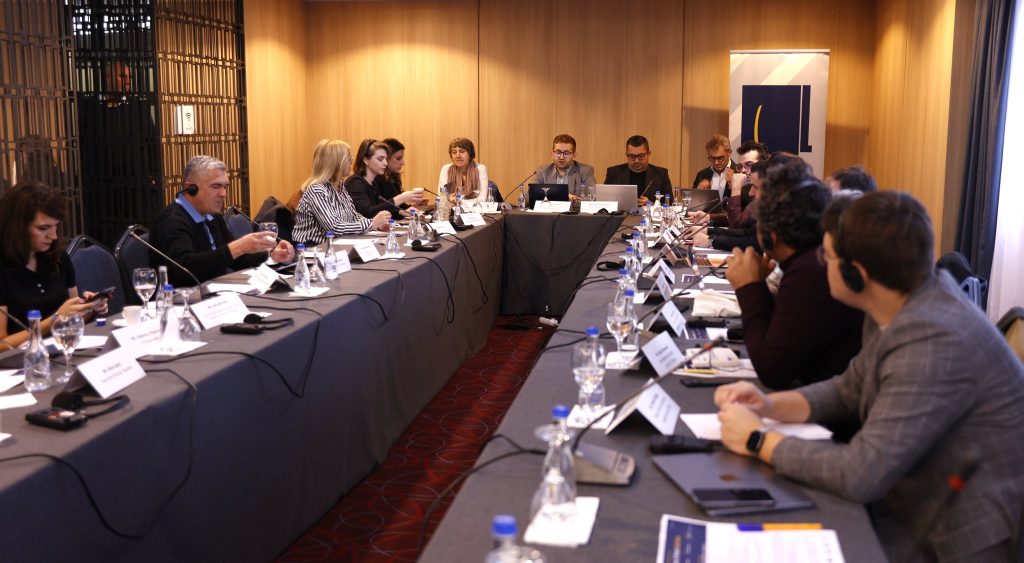
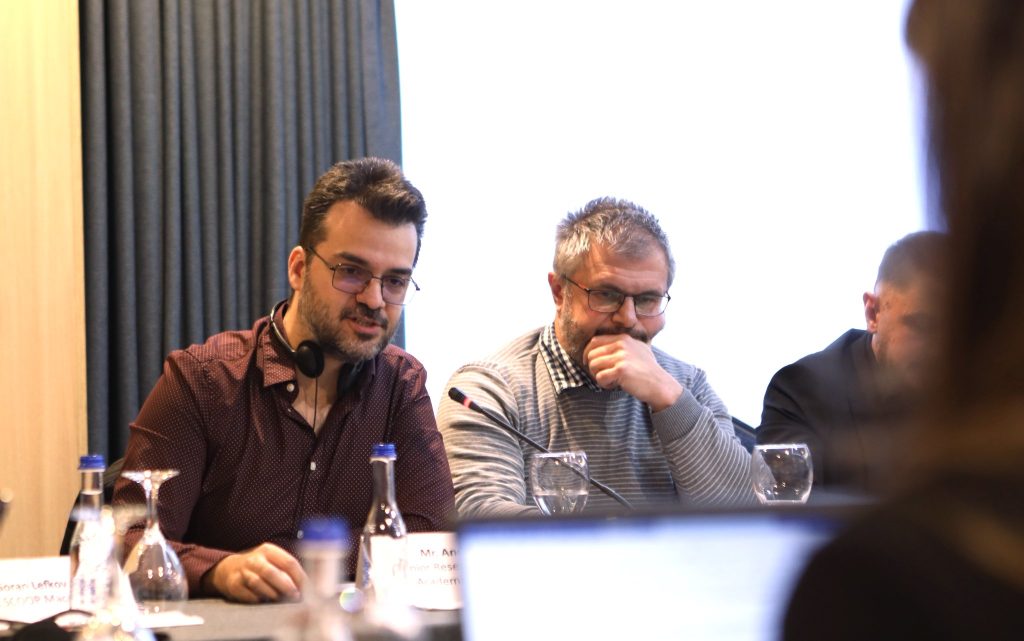
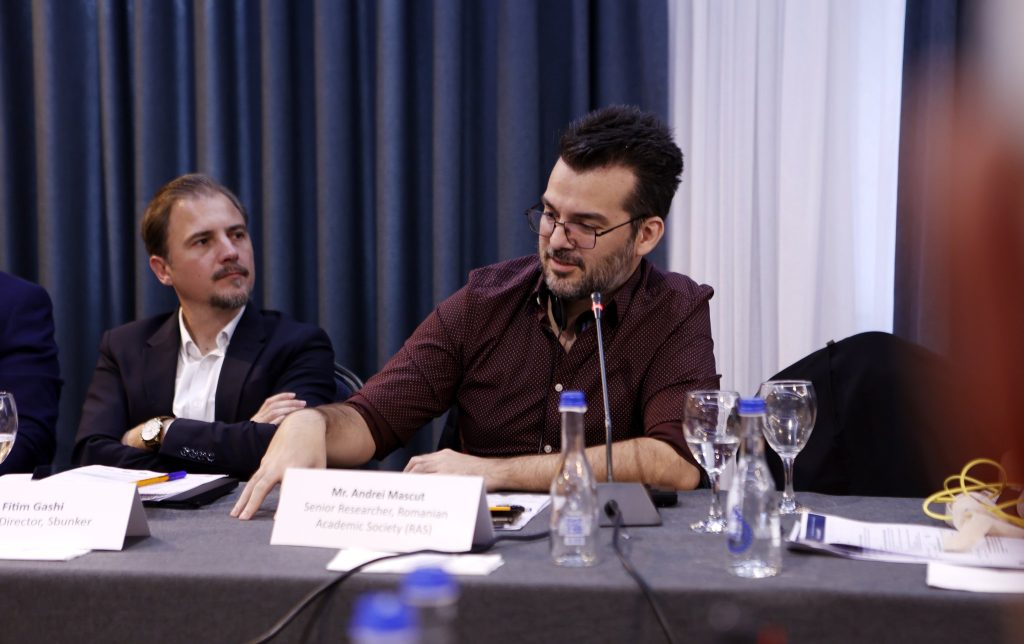
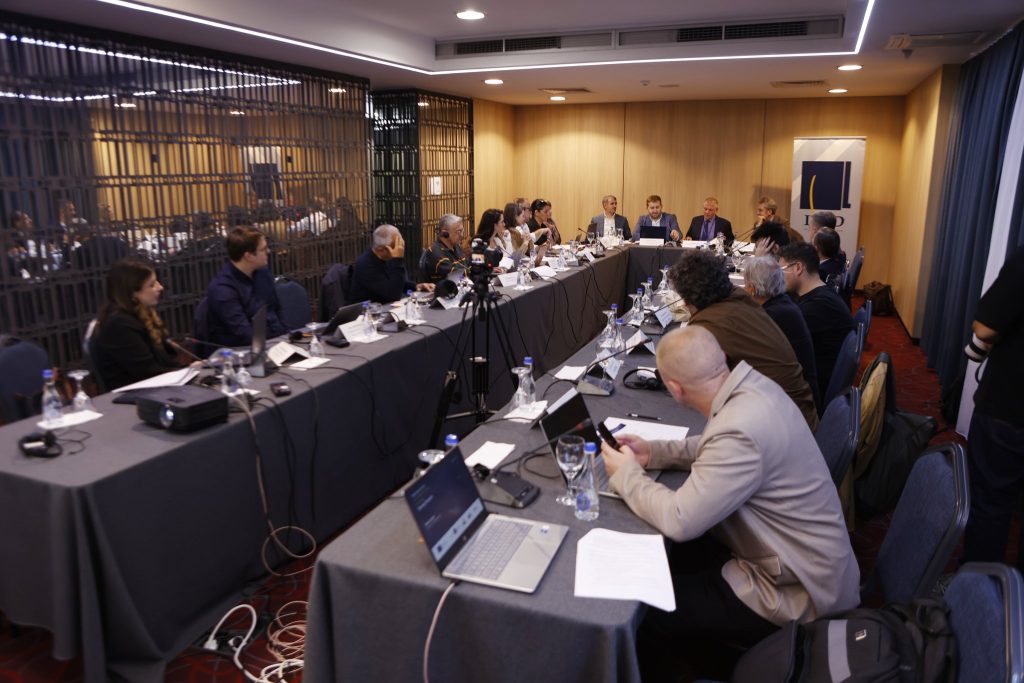
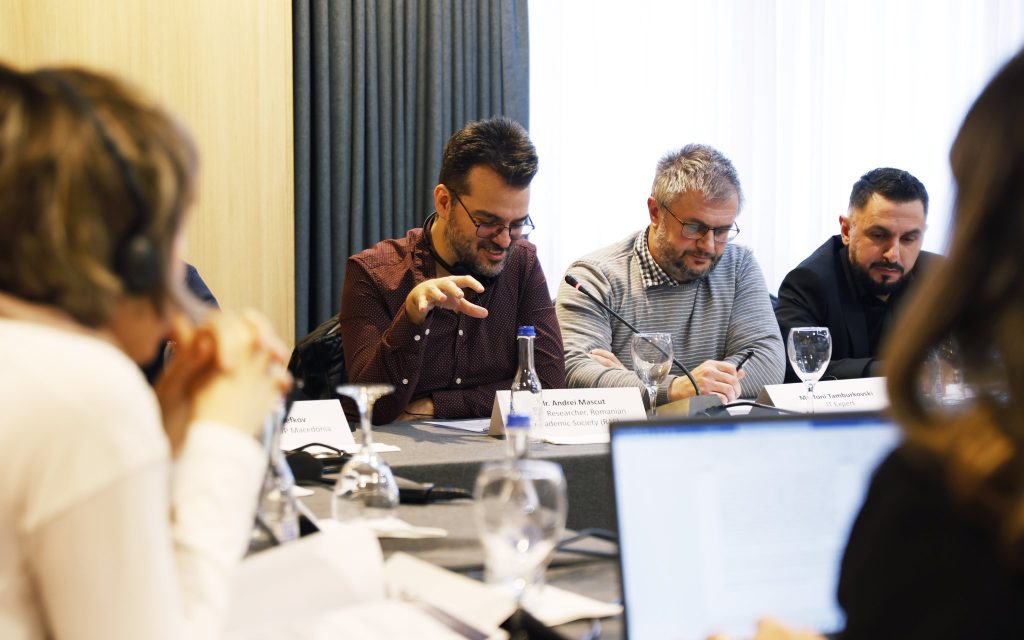
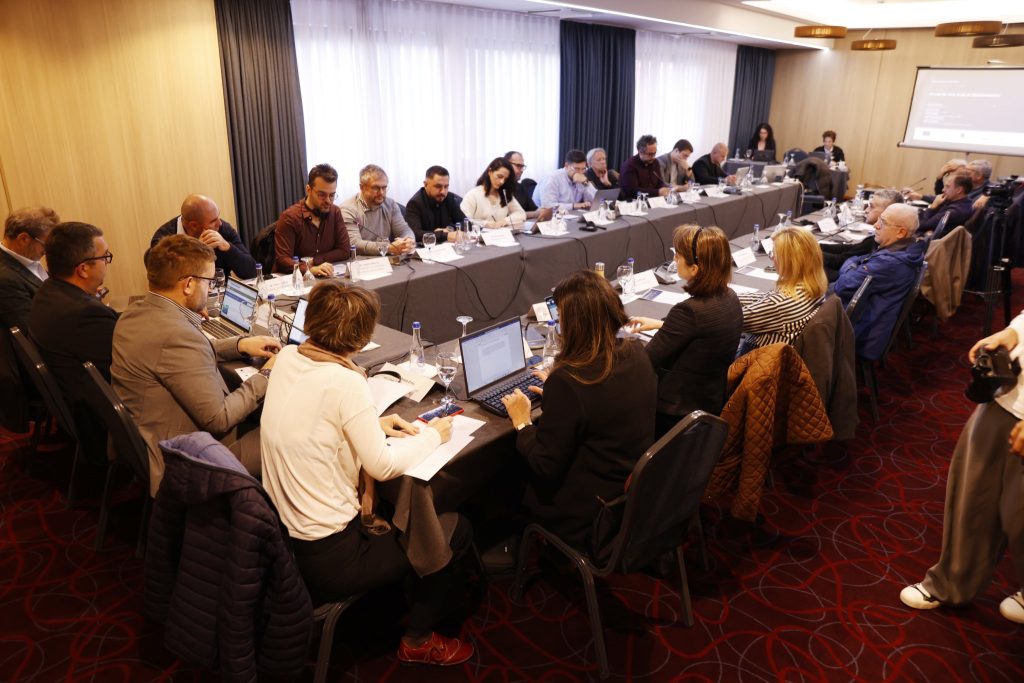
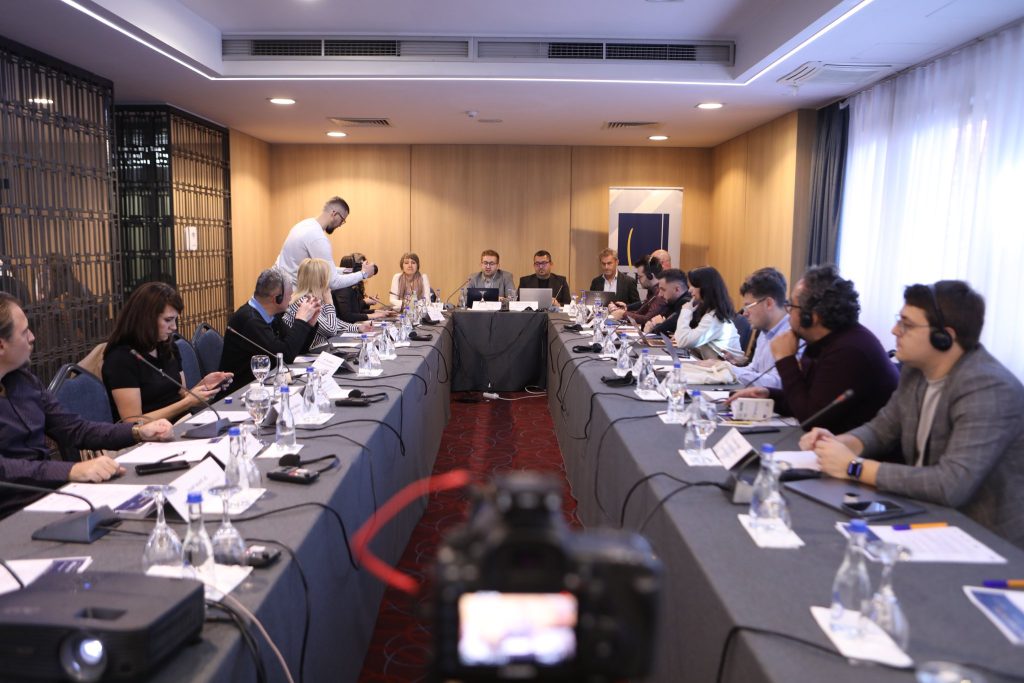
On 20-21 October 2026, the Romanian Academic Society (SAR/RAS) participated in the regional conference “When AI Meets Fake News”, held in Prishtina, Kosovo, as part of the EU-funded project FACT – Framework for Addressing and Countering Disinformation Threats.
The event brought together experts, journalists, civil society representatives, and European institutional stakeholders to discuss how artificial intelligence is transforming the production and spread of disinformation, the challenges it poses to the media and society, and the measures needed to strengthen democratic resilience.
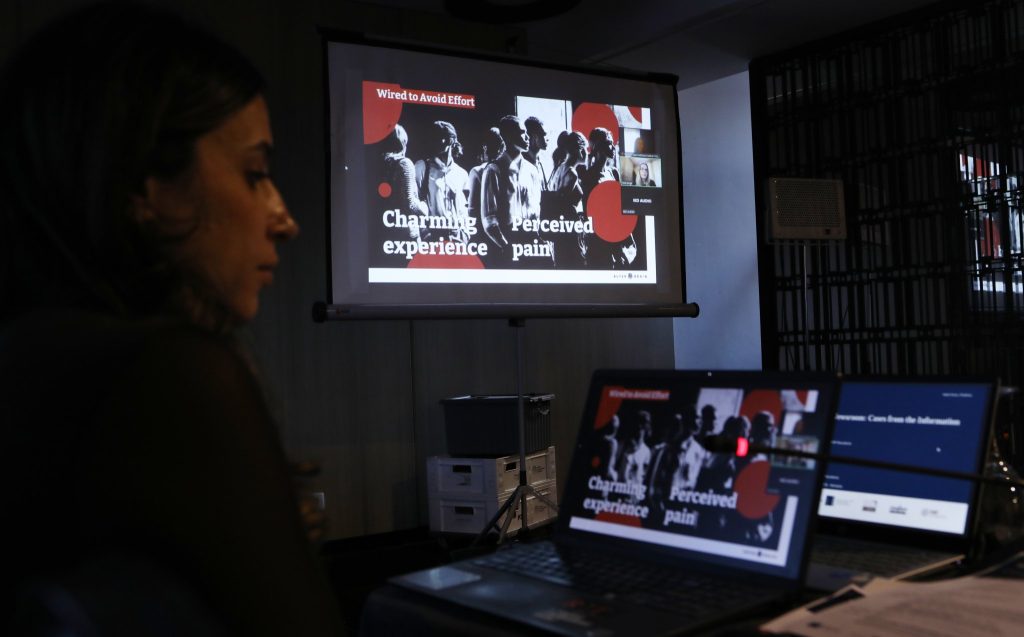
Discussions highlighted how AI-powered tools are enabling the production of increasingly large volumes of false or misleading content at unprecedented speed and lower costs. At the same time, verifying information is becoming more challenging, even for professionals, while traditional fact-checking mechanisms often struggle to keep pace with the rapid circulation of information in the digital environment.
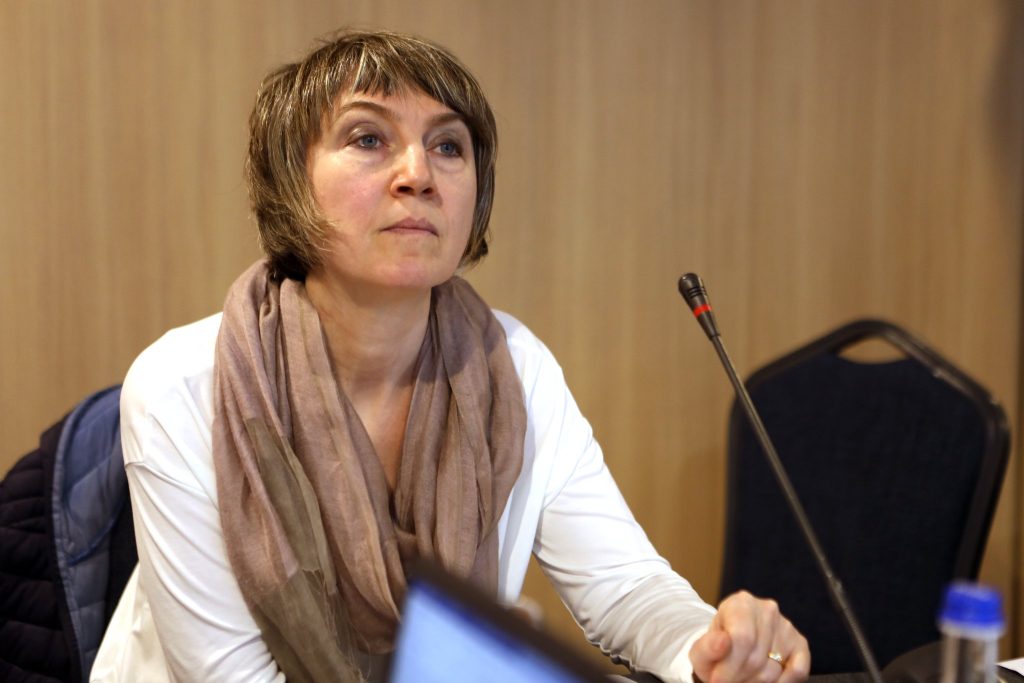
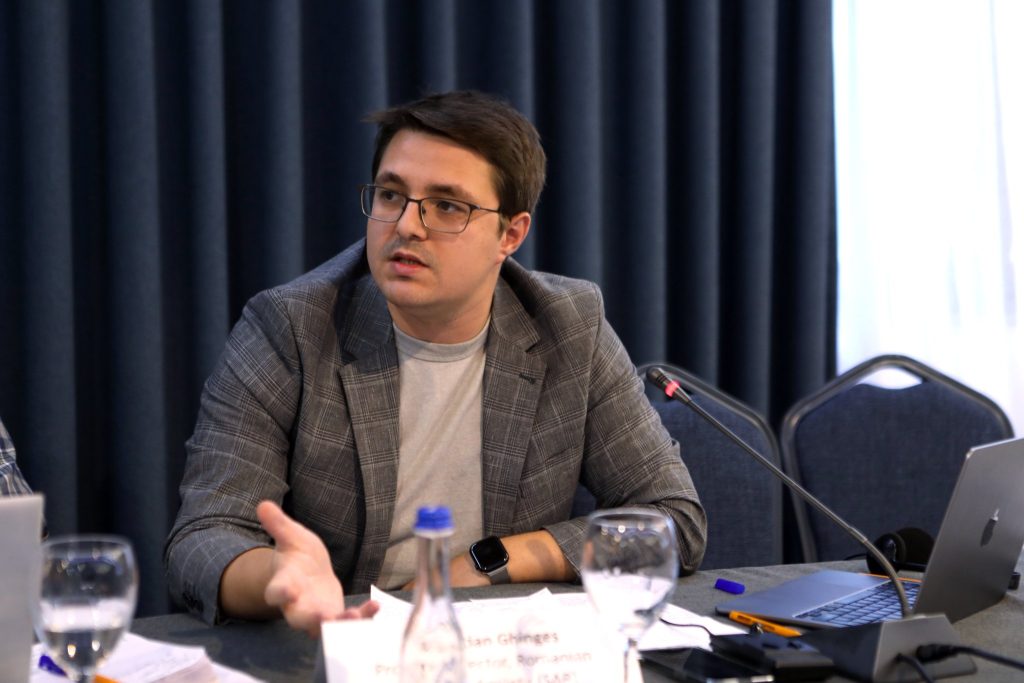
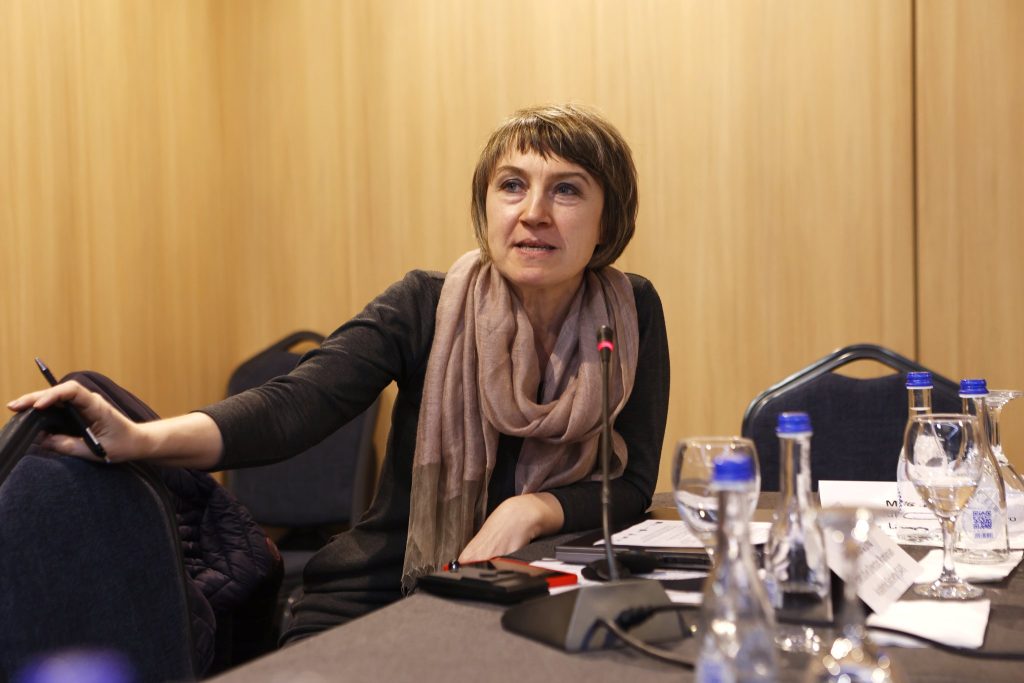
The Romanian Academic Society was represented by Andrei Mascut, Senior Researcher, Cristian Ghingheș, Program Director, and Simona Ernu, Executive Director. The SAR team contributed to discussions on the impact of artificial intelligence on the information ecosystem, the challenges facing journalism and fact-checking, and the need for institutional and regulatory responses adapted to emerging technological realities.
Throughout their contributions, SAR representatives addressed both the risks associated with artificial intelligence and the opportunities it offers for research, journalism, and civil society organisations. The ability to analyse large volumes of data, monitor multiple information sources, and identify patterns more efficiently can significantly support investigative and research activities. However, the use of these technologies must be accompanied by source verification, careful contextualisation, and continued human oversight in interpreting findings.
Particular attention was given to the challenges of disinformation at the local level, where limited access to reliable information, insufficient institutional transparency, and vulnerabilities affecting local journalism can make it more difficult to verify claims and support an informed public debate. In this context, developing tools to monitor information and investigate matters of public interest must go hand in hand with protecting media pluralism and freedom of expression.
Another important topic concerned the limitations of automated fact-checking. Identifying disinformation cannot be reduced to simply classifying content as true or false without examining its context, sources, and underlying intentions. Technological tools should support critical judgement and professional verification rather than becoming opaque mechanisms for filtering or censoring information.
On the second day of the conference, Simona Ernu participated in a panel discussion on AI governance, institutional accountability, and public policies, and subsequently moderated a discussion focused on the practical measures that institutions, media organisations, and civil society can adopt to respond more effectively to AI-enabled disinformation.
One of the conference’s central conclusions was that fact-checking, while essential, is not sufficient on its own. Addressing disinformation requires a broader approach that includes media and digital literacy, stronger critical thinking skills, institutional transparency, accountability of digital platforms, and closer cooperation between public authorities, journalists, researchers, and civil society organisations.
The conference’s findings will contribute to the development of policy recommendations on addressing AI-enabled disinformation and will inform the next activities of the FACT project.
The FACT – Framework for Addressing and Countering Disinformation Threats project is implemented by the Kosovo Law Institute (KLI), in partnership with the Center for the Study of Democracy and Governance (CSDG) from Albania, SCOOP Macedonia, and the Romanian Academic Society (SAR/RAS), with financial support from the European Union under the Citizens, Equality, Rights and Values (CERV) Programme.